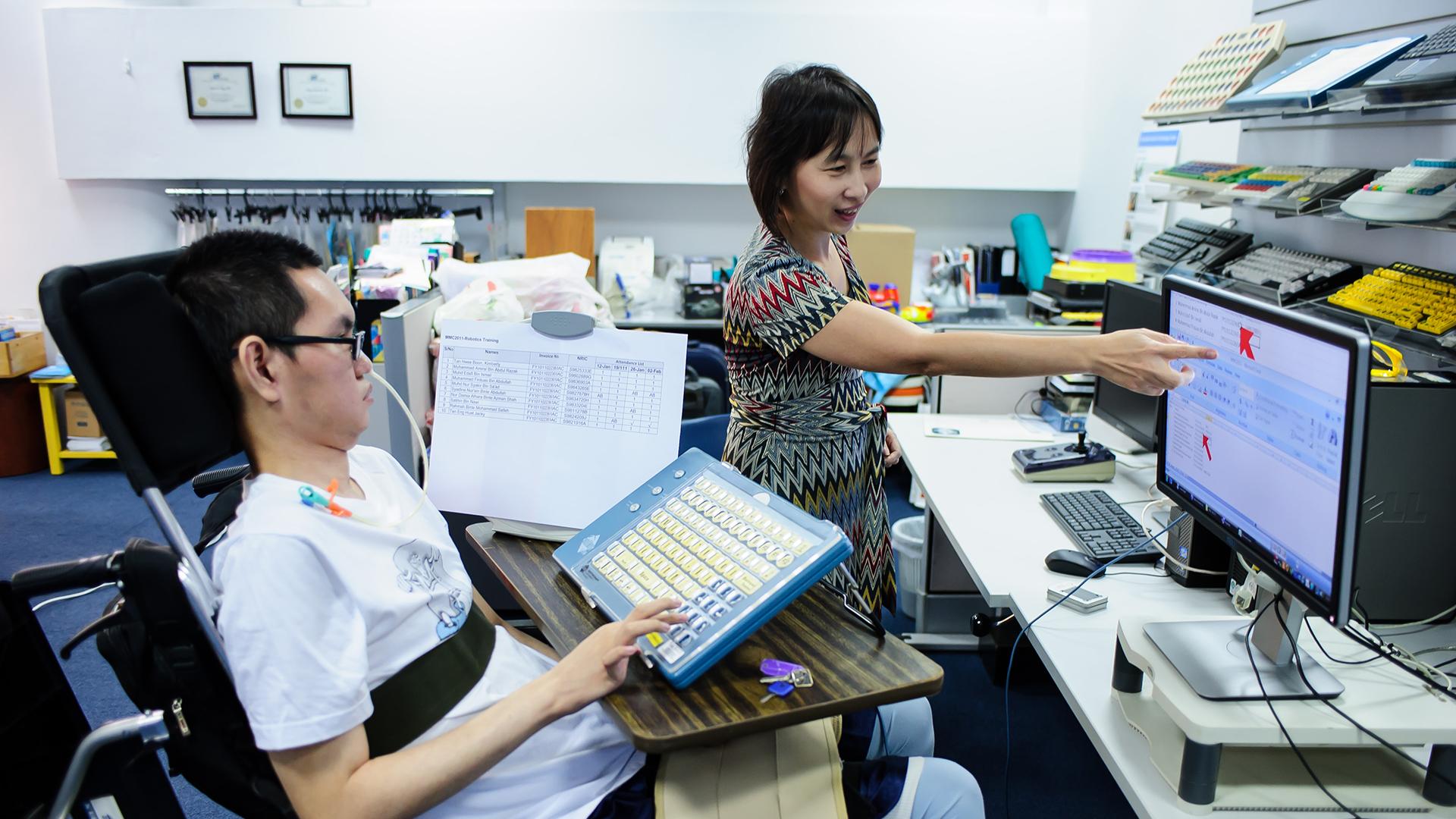
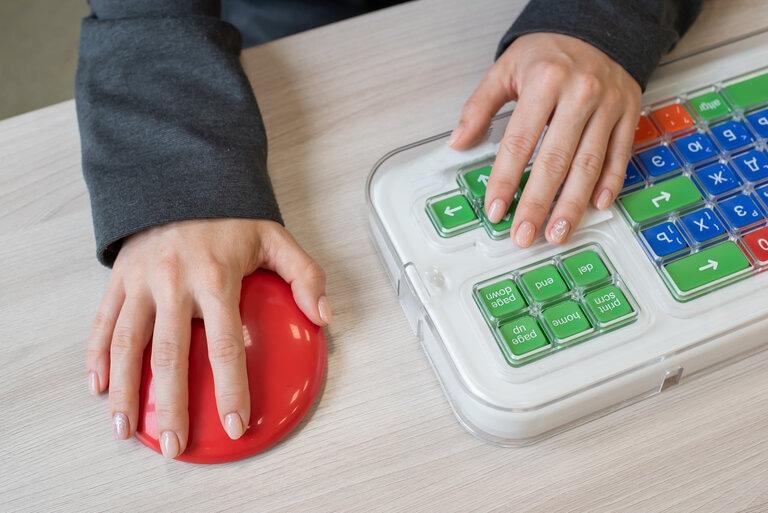
Çocuklar için Yardımcı Teknoloji
Çocuğun gelişimiyle birlikte değişen ihtiyaçlar, güvenlik ölçütleri ve doğru cihazın yarattığı fark.
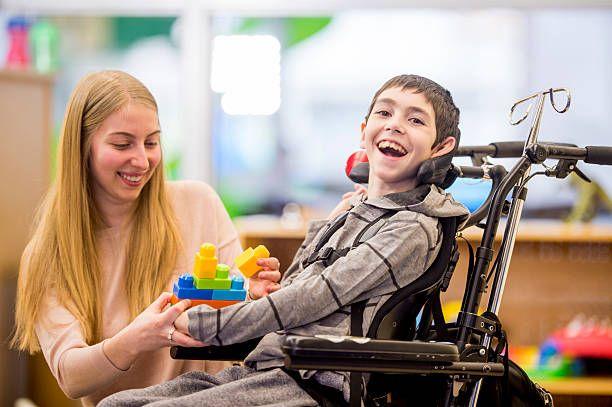
Gelişimsel İhtiyaçları Belirlemek
Engelli çocuklar, büyüdükçe değişen kendine özgü zorluklarla karşılaşır. Çocuklar için tasarlanan yardımcı teknolojinin yalnızca bugünkü ihtiyacı değil, gelişimsel değişimi de karşılaması gerekir. Örneğin motor güçlüğü olan bir çocuk küçükken kaba motor becerilerini destekleyen bir cihazdan yararlanırken, büyüdükçe ince motor görevler için daha gelişmiş araçlara ihtiyaç duyabilir. Eğitim ihtiyaçları da göz önünde bulundurulmalıdır; disleksili çocuklar için geliştirilmiş özel yazılımlar gibi öğrenmeyi destekleyen cihazlar akademik ilerlemeyi belirgin biçimde etkileyebilir. Eğitimciler, terapistler ve sağlık profesyonelleriyle birlikte çalışmak, çocuğun gelişiminin her aşamasında uygun ve etkili araçların seçilmesini sağlar.
Güvenlik ve Kullanılabilirlik
Çocuklar için yardımcı teknoloji seçerken güvenlik birinci önceliktir. Cihazlar yaşa uygun olmalı, boğulma riski taşıyan parçalar içermemeli ve toksik olmayan malzemelerden üretilmelidir. Ayrıca çocuk kullanımının getirdiği sert muameleye dayanacak sağlamlıkta olmalıdır. Kullanılabilirlik de en az bunun kadar önemlidir: cihaz sezgisel ve çocuğun bağımsız kullanabileceği kadar basit olmalı, böylece özerklik duygusunu beslemelidir. Cihazın ilgili güvenlik standartlarına göre test edilip belgelendirildiğini; ayarlanabilir seçenekler veya ebeveyn kontrolü gibi, çocuğun becerileri değiştikçe güvenliği koruyacak özellikler içerip içermediğini kontrol edin. Mümkün olduğunda çocuğu seçim sürecine dâhil etmek, cihazı kullanırken kendini rahat ve güvende hissetmesine yardımcı olur.
Aileler Ne Anlatıyor
Doğru seçilmiş bir cihazın etkisi çoğu zaman beklenenden geniş olur. İletişim desteği kullanmaya başlayan bir çocuk yalnızca ihtiyaçlarını ifade etmekle kalmaz; sınıf içindeki katılımı, akranlarıyla kurduğu ilişki ve öz güveni de belirgin biçimde değişir. Benzer şekilde, uygun bir konumlandırma veya yazma desteği sayesinde okul ödevlerini bağımsız tamamlayabilen bir çocuk, ailesinin gündelik bakım yükünü de hafifletir. Bu deneyimlerin ortak noktası şudur: cihazın kendisi kadar, çocuğa ve aileye sağlanan uyum süreci de sonucu belirler. Cihaz teslim edildikten sonra birkaç haftalık alışma dönemi, terapistle düzenli geri bildirim ve gerektiğinde ayar değişikliği, teknolojinin gerçekten günlük hayata yerleşmesini sağlar.