Assistive Technology for Kids
Needs that shift as a child grows, the safety criteria that matter, and the difference the right device makes.
Identifying Developmental Needs
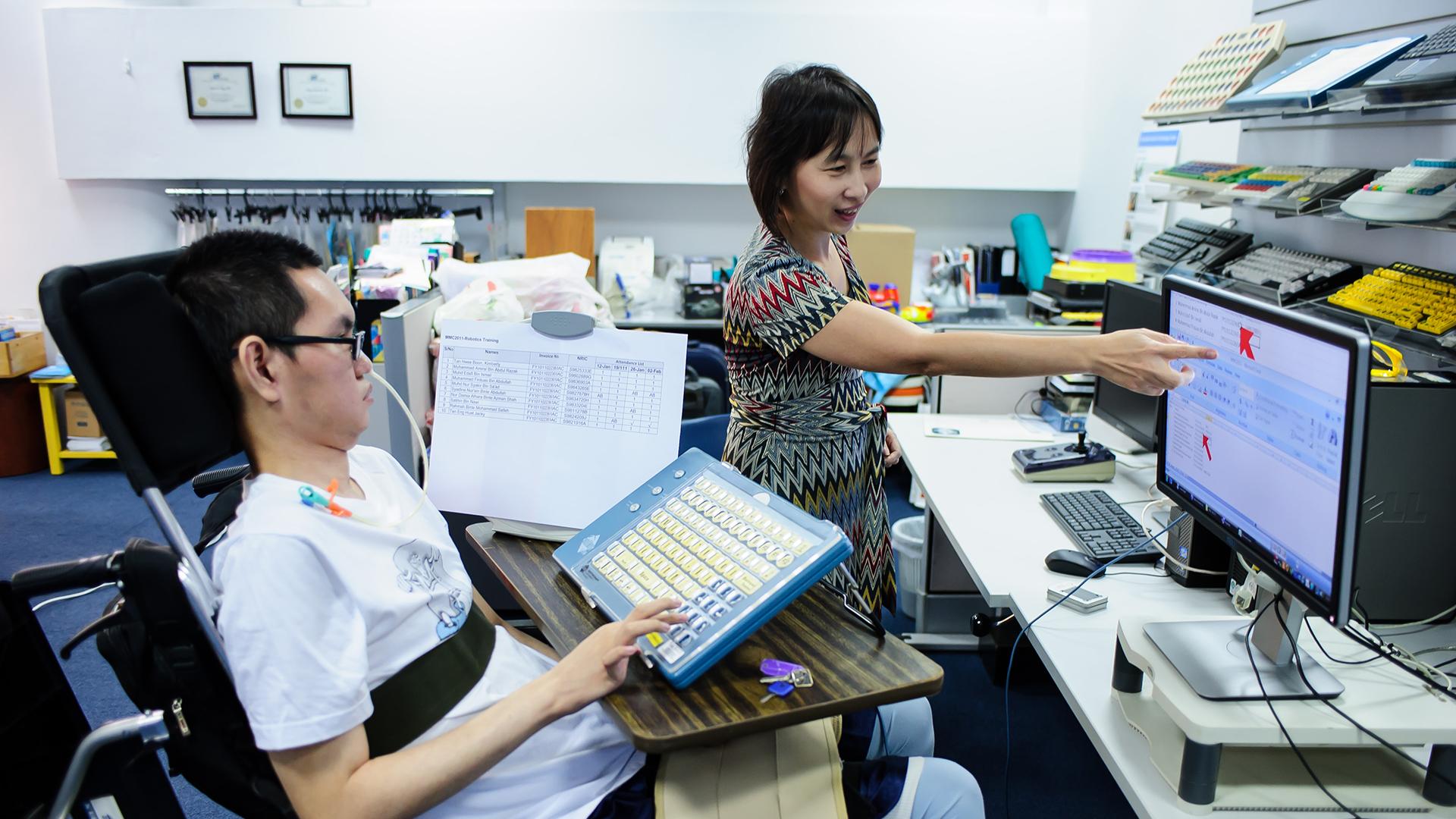
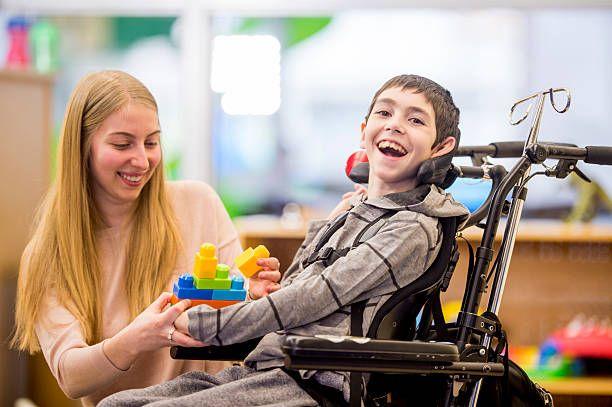
Children with disabilities face challenges that change as they grow. Assistive technology designed for children must meet their current needs while adapting to developmental change. A child with motor difficulties might benefit from a device supporting gross motor skills when young, then need more sophisticated tools for fine motor tasks later. Educational needs matter too — software built for children with dyslexia, for instance, can significantly affect academic progress. Working with educators, therapists and healthcare providers is crucial to selecting technology that stays appropriate and effective at every stage.
Safety and Usability
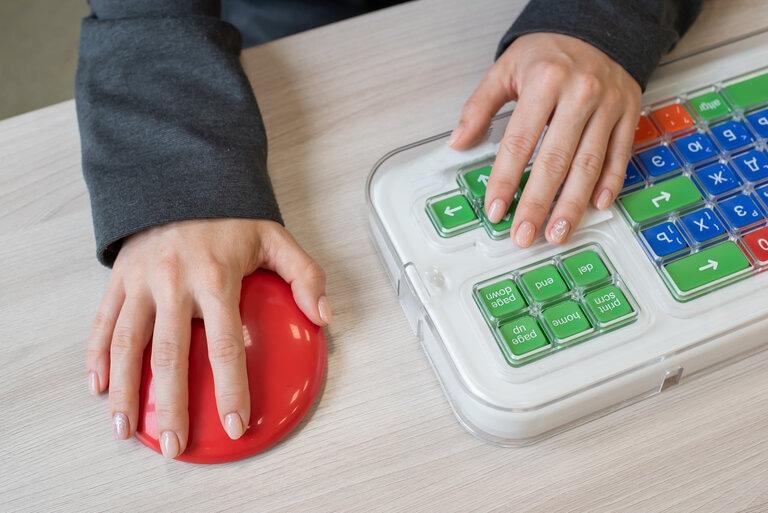
Safety is paramount when choosing assistive technology for children. Devices must be age-appropriate, free from choking hazards and made from non-toxic materials. They should also be sturdy enough to withstand the rough handling that comes with children’s use. Usability matters just as much: devices should be intuitive and easy for children to operate independently, fostering a sense of autonomy. Check whether the device has been tested and certified against relevant safety standards, and whether it includes adjustable settings or parental controls so it stays safe as the child’s abilities change. Where possible, involving the child in the selection process helps them feel comfortable and confident using it.
What Families Report
The effect of a well-chosen device is usually broader than expected. A child who starts using a communication aid does not merely express needs; their participation in class, their relationships with peers and their confidence all shift noticeably. Likewise, a child who can complete schoolwork independently thanks to appropriate positioning or writing support also lightens the daily care load on their family. What these experiences share is this: the fitting process matters as much as the device. A few weeks of adjustment after delivery, regular feedback with a therapist and tweaks where needed are what let the technology genuinely settle into daily life.