Integrating Assistive Technology in Daily Life
Home and workplace adaptations, training and support, and the long-term gains of consistent use.

Home and Workplace Adaptations
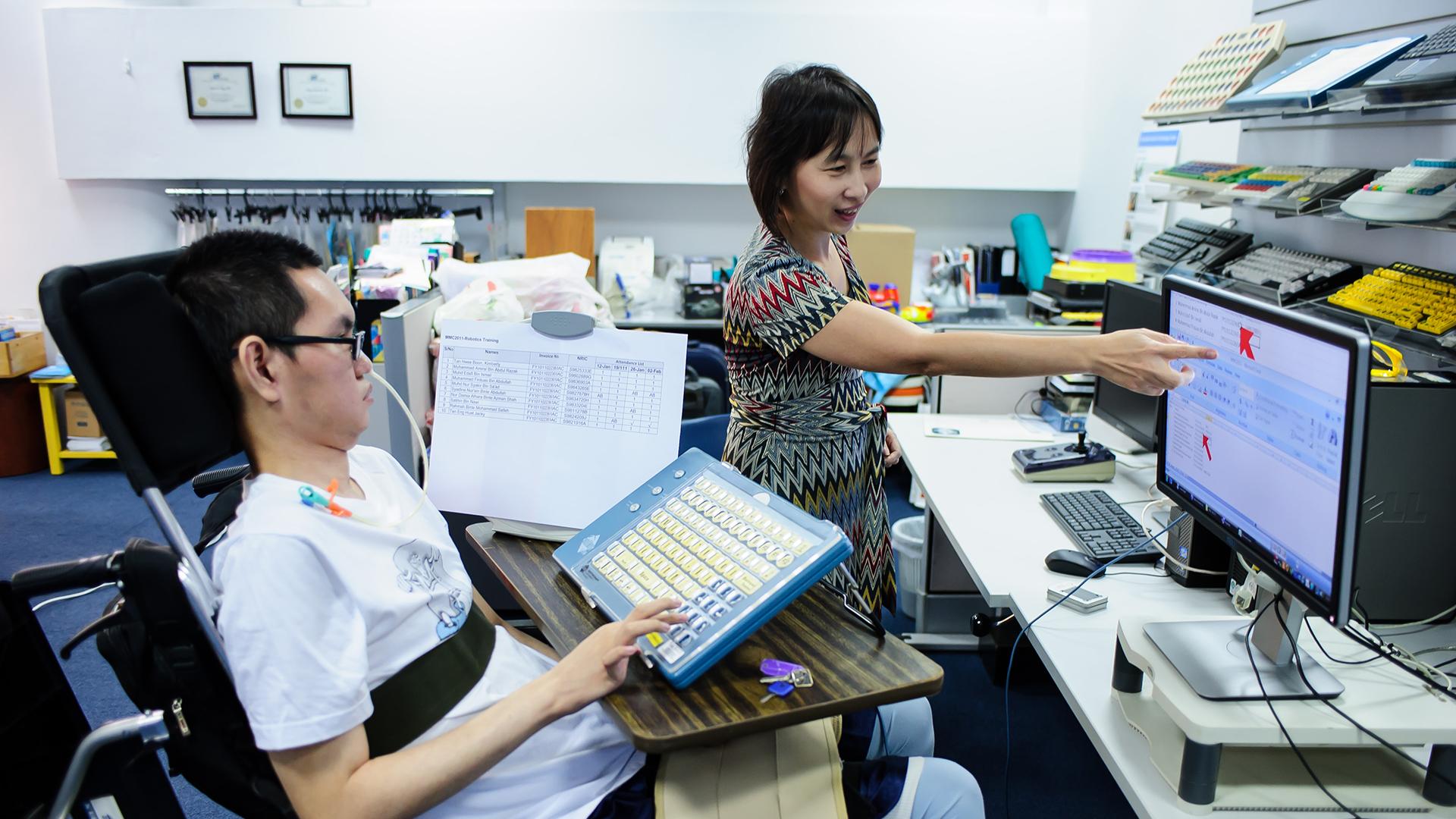
Integrating assistive technology into daily life means making thoughtful adaptations to both home and workplace. At home, simple modifications such as ramps or grab bars can make a significant difference to accessibility for people with mobility challenges. At work, creating an inclusive environment might involve ergonomic workstations, screen readers for employees with visual impairments, or communication aids for those with speech difficulties. These adaptations make spaces more accessible while also promoting independence and inclusion. When assistive technology fits seamlessly into daily routines, people retain their autonomy and engage more fully in personal and professional life.
Training and Support
Successful use of assistive technology depends not only on the device but on the training and support provided. Comprehensive training ensures people can operate their devices effectively and get the most from them. That might include hands-on instruction, video tutorials, or support from professionals such as occupational therapists. Ongoing support matters equally, helping users troubleshoot, adapt to new features and stay informed about updates. Support can come from the manufacturer, healthcare providers or peer groups. Making sure users can reach these resources is crucial to fully integrating the technology into their lives.
Long-Term Benefits
The long-term benefits of assistive technology are broad, touching every area of life. Consistent use can bring marked improvements in independence, self-confidence and quality of life. Someone using a communication device may find they can express themselves more fully, leading to stronger relationships and greater participation in social activities. Someone using a mobility aid may experience more freedom to explore their environment, travel and take part in physical activity. Over time these benefits accumulate into better mental and physical health, more opportunity in education and employment, and an enhanced overall sense of well-being.