How Assistive Technology is Changing Lives
The independence innovation brings, real-world applications, and the trends shaping what comes next.
Empowerment Through Innovation
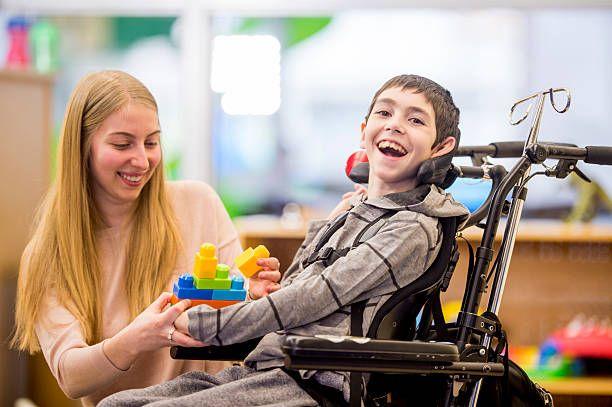
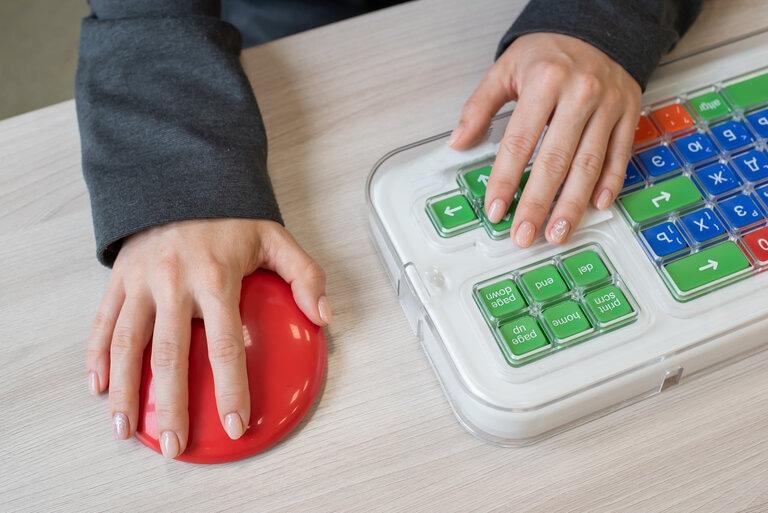
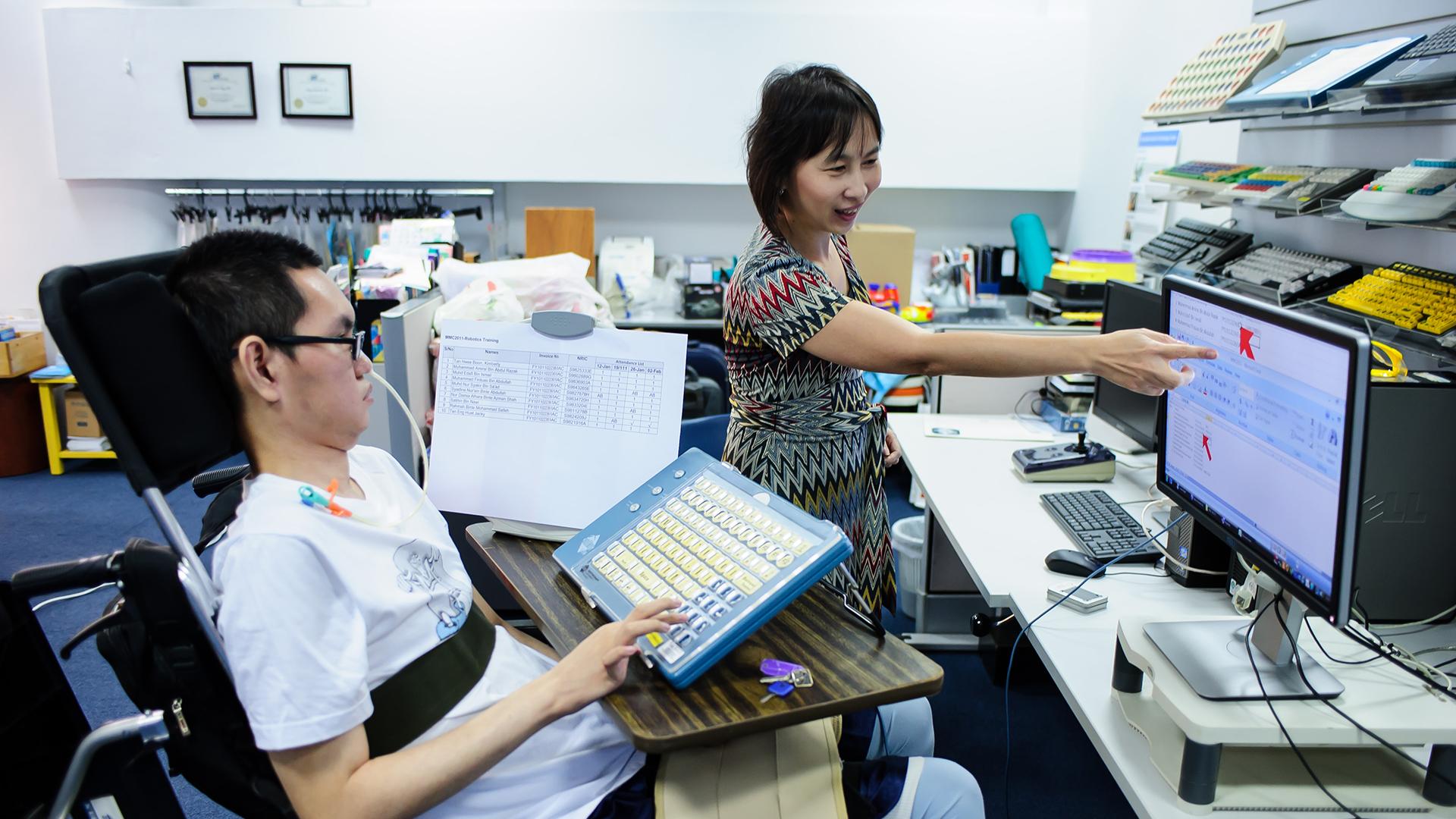
Assistive technology can transform lives by giving people with disabilities the tools to live more independently and participate more fully in society. Innovation in this field is constant, producing solutions for an ever wider range of needs. Advanced communication devices now allow non-verbal individuals to express themselves with greater ease and nuance, fostering deeper connections with those around them. Mobility aids such as powered wheelchairs and exoskeletons let people with physical disabilities navigate their environments more freely. These technologies enhance quality of life while also building self-esteem and a sense of agency, allowing users to pursue their goals with greater confidence.
Real-World Applications
The real-world impact of assistive technology shows in countless accounts of people who regained independence and reached significant milestones. Consider a student with a learning disability who, through specialised software, excels in their studies and goes on to higher education. Or an older adult who, with a hearing aid, can once again enjoy conversations with loved ones and take part in social activities. These examples illustrate how assistive technology bridges the gap between disability and ability, enabling fuller, more engaged lives. In education, employment or everyday living, it makes a profound difference to how people with disabilities experience the world.
Future Trends
The future of assistive technology is bright, with emerging trends pointing towards deeper integration into daily life. Artificial intelligence plays an increasingly important role, enabling more personalised and responsive devices. AI-powered communication aids can learn a user’s speech patterns and preferences, making interactions smoother and more intuitive. Robotics is another exciting area, with advances in prosthetics and exoskeletons opening new possibilities for mobility and physical rehabilitation. Wearable technology is gaining traction too, offering discreet solutions for health monitoring and communication. As these technologies evolve, they promise greater accessibility, customisation and ease of use.