Assistive Technology for Seniors
Mobility, communication and caregiver support — solutions that protect independence in later life.
Addressing Mobility Challenges
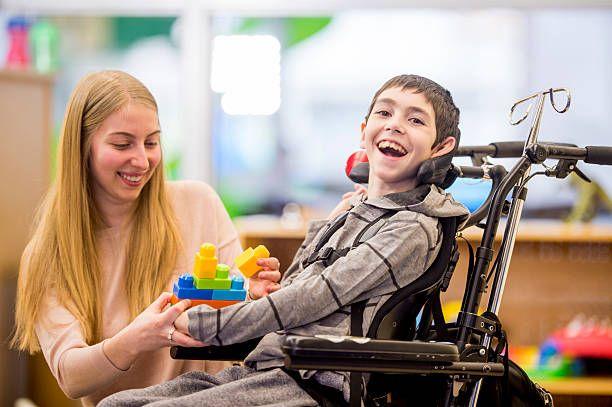
Mobility challenges are common among older adults, but assistive technology can significantly improve their ability to stay independent and active. Walkers, canes and powered wheelchairs offer essential support, allowing people to move safely and confidently. These aids are often adjustable and customisable: a walker can be modified for height, while a powered wheelchair might offer reclining seats or specialised controls. Beyond traditional aids there are stair lifts that help with multi-level homes and mobility scooters that make longer distances practical. Addressing mobility with the right technology lets older adults maintain autonomy, join community activities and continue the pastimes they enjoy.
Enhancing Communication
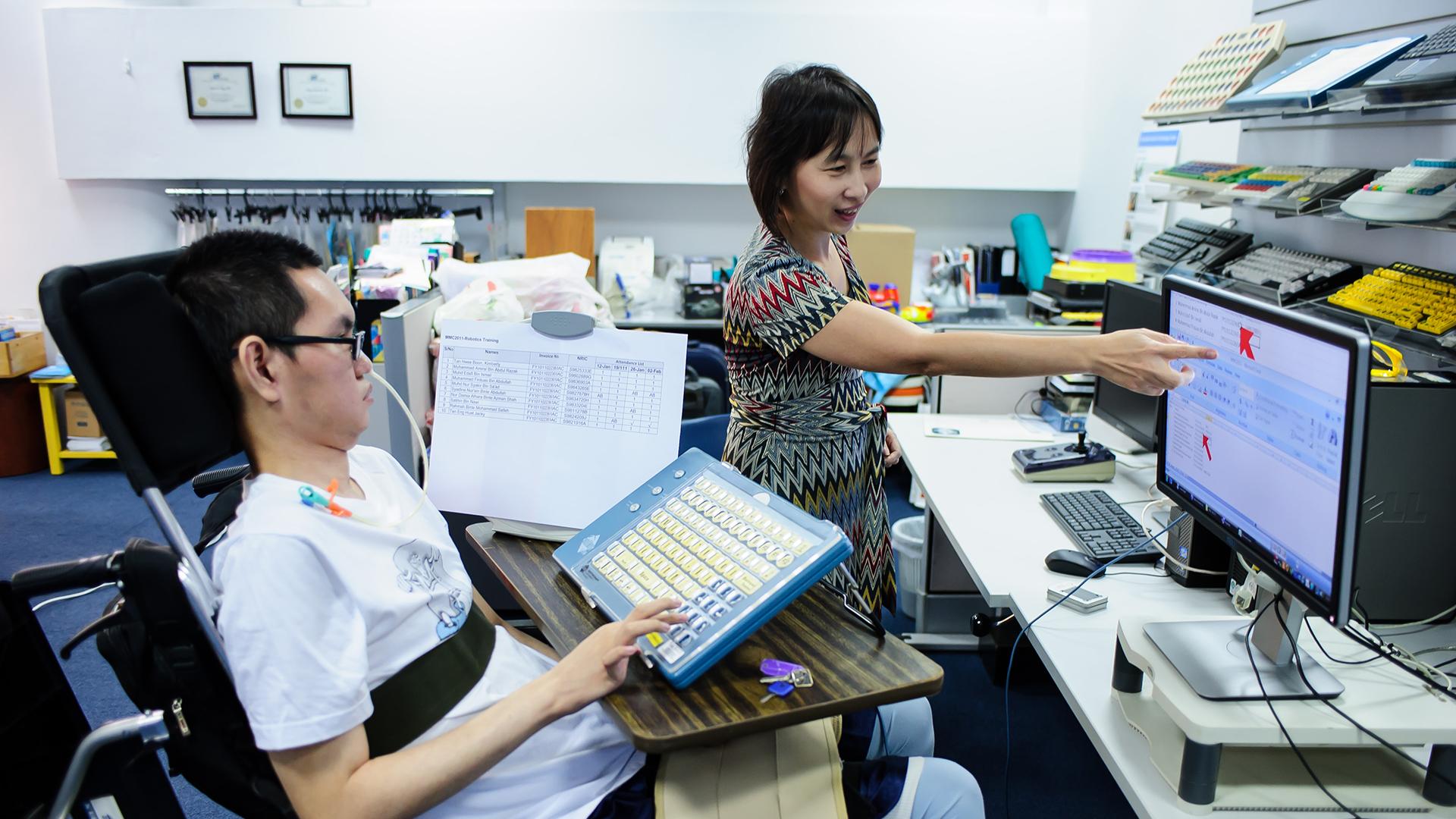
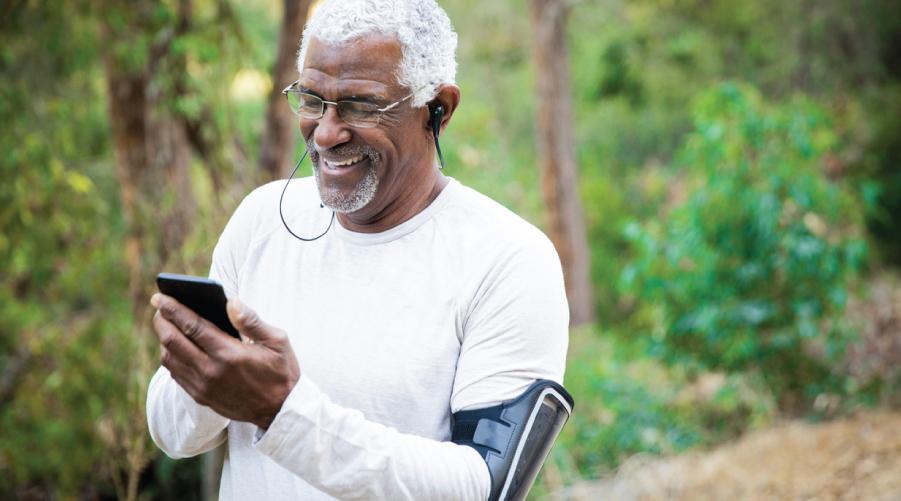
As people age they may encounter challenges with hearing, vision or speech, all of which affect their ability to communicate. Assistive technology offers solutions tailored to each. For hearing loss, hearing aids and amplified phones make conversations clearer. Vision impairment can be addressed with screen readers that convert text to speech and magnification software that enlarges text and images. For speech difficulties, speech-generating devices or voice amplification systems are invaluable. These technologies help older adults stay connected with loved ones and participate more fully in social and community life, reducing the risk of isolation and loneliness.
Caregiver Support
Assistive technology also helps caregivers, providing tools that make caregiving easier and more efficient. Medication reminders ensure prescriptions are taken on time, while fall detection systems alert caregivers immediately if an accident occurs. Remote monitoring lets caregivers check on well-being even when they cannot be physically present, offering peace of mind and reducing stress. Mobility aids and other devices reduce physical strain by helping older adults perform daily tasks more independently. By making use of assistive technology, caregivers can provide better care while protecting their own health and well-being.