Yaşlılar için Yardımcı Teknoloji
Hareket kabiliyeti, iletişim ve bakım veren desteği: yaşlılıkta bağımsızlığı koruyan çözümler.
Hareket Güçlüklerini Aşmak
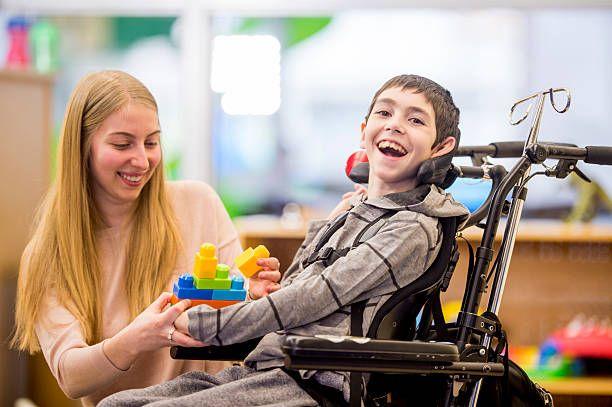
Hareket güçlüğü yaşlılarda sık karşılaşılan bir sorundur; ancak yardımcı teknoloji bağımsız ve aktif kalma becerisini belirgin biçimde artırabilir. Yürüteç, baston ve akülü tekerlekli sandalye gibi cihazlar temel desteği sağlayarak güvenli ve kendinden emin hareket etmeyi mümkün kılar. Bu hareket destekleri çoğunlukla ayarlanabilir ve kişiye göre uyarlanabilir; örneğin bir yürütecin yüksekliği değiştirilebilir, akülü bir sandalye yatabilir koltuk veya kullanım kolaylığı sağlayan özel kumandalarla gelebilir. Bu geleneksel yardımcıların ötesinde, çok katlı evlerde hareketi kolaylaştıran merdiven asansörleri ve daha uzun mesafeler için pratik çözüm sunan mobilite skuterları gibi gelişmiş seçenekler de bulunur. Hareket sorunları doğru teknolojiyle ele alındığında yaşlı bireyler özerkliklerini koruyabilir, topluluk etkinliklerine katılabilir ve sevdikleri uğraşları sürdürebilir.
İletişimi Güçlendirmek
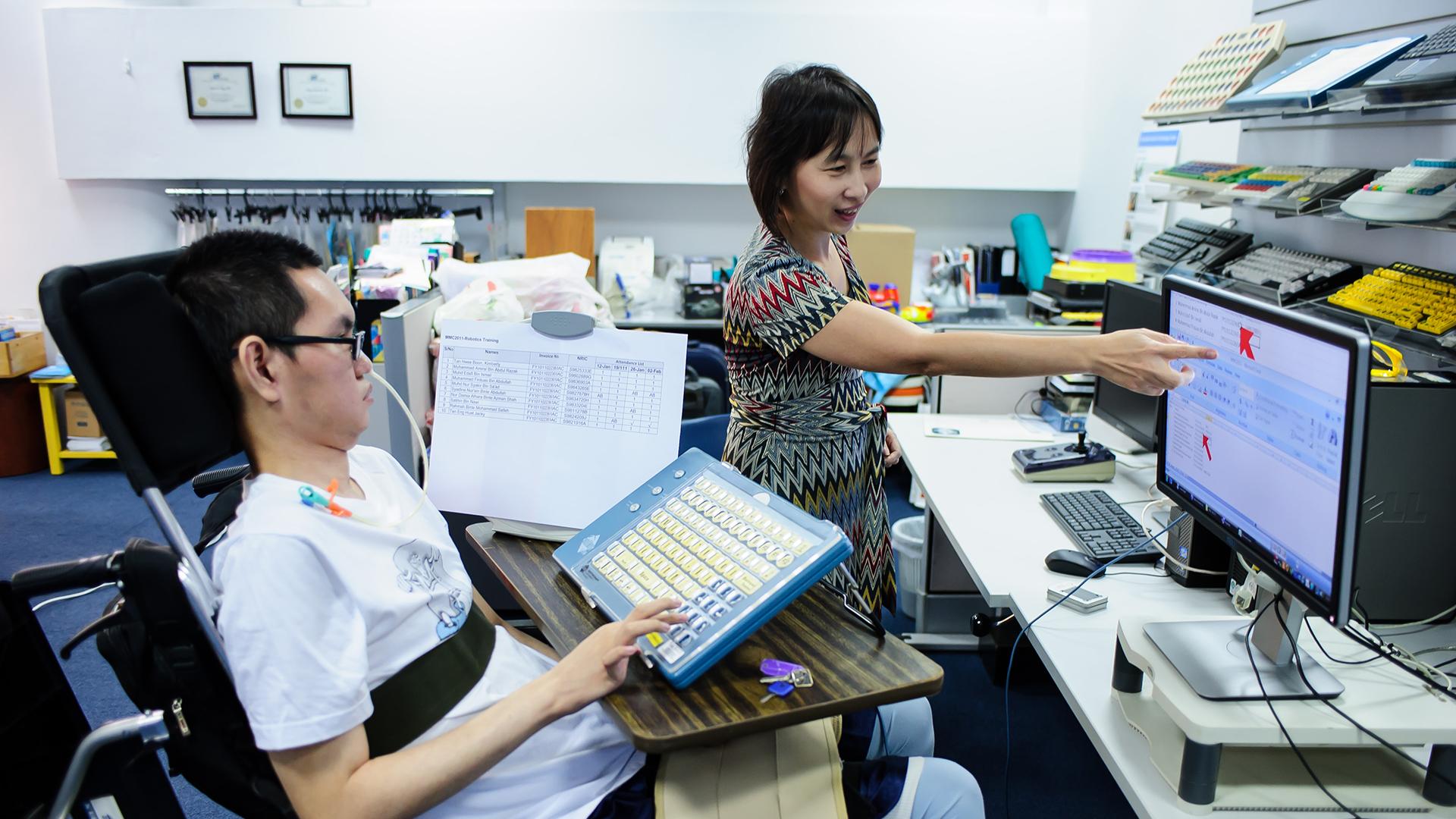
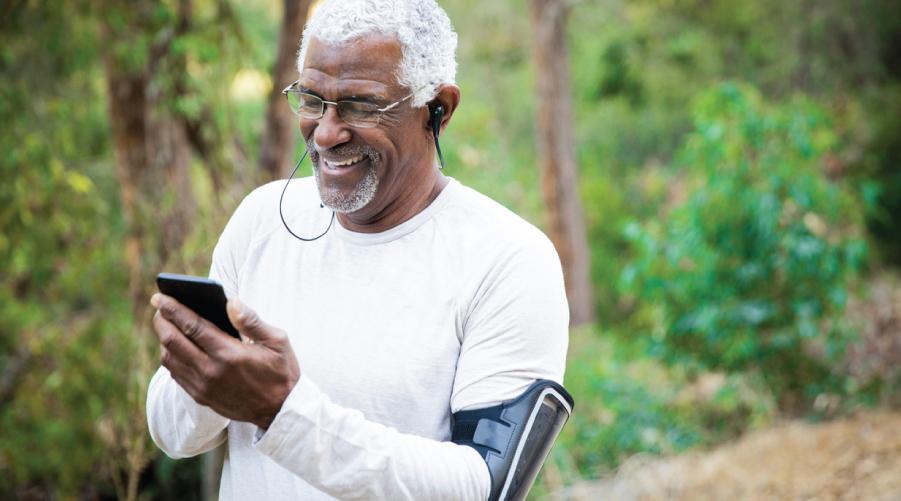
Yaş ilerledikçe işitme, görme veya konuşmaya ilişkin güçlükler ortaya çıkabilir ve bunların hepsi etkili iletişimi zorlaştırır. Yardımcı teknoloji bu ihtiyaçlara uyarlanmış çeşitli çözümler sunar. İşitme kaybı için işitme cihazları ve sesi yükselten telefonlar konuşmaları daha anlaşılır kılar. Görme güçlüğü, metni sese çeviren ekran okuyucular ve ekrandaki yazı ile görselleri büyüten yazılımlarla giderilebilir. Konuşma güçlüğü yaşayanlar için ses üreten cihazlar veya ses yükseltme sistemleri iletişimin sürdürülmesinde çok değerlidir. Bu teknolojiler yaşlı bireylerin sevdikleriyle bağlarını korumasına yardımcı olduğu gibi, sosyal ve toplumsal etkinliklere daha tam katılmalarını sağlayarak yalnızlık ve izolasyon riskini azaltır.
Bakım Verenlere Destek
Yardımcı teknoloji bakım verenler için de büyük kolaylık sağlar; bakım görevlerini daha kolay ve verimli kılan araçlar sunar. İlaç hatırlatıcıları yaşlı bireyin reçetesini zamanında almasını sağlarken, düşme algılama sistemleri bir kaza durumunda bakım vereni anında uyarır. Uzaktan izleme araçları, bakım verenin fiziksel olarak yanında olamadığı zamanlarda bile durumu takip etmesine olanak tanır; bu da içi rahat eder ve bakımın getirdiği stresi azaltır. Ayrıca hareket destekleri ve diğer yardımcı cihazlar, yaşlı bireyin günlük işleri daha bağımsız yapmasını sağlayarak bakım verenin üzerindeki fiziksel yükü hafifletir. Yardımcı teknolojiden yararlanan bakım verenler, kendi sağlıklarını ve iyilik hâllerini korurken daha nitelikli bakım sunabilir.