Doğru Ürünü Seçmek
İhtiyaç analizinden özellik karşılaştırmasına, yardımcı teknoloji seçiminde doğru kararı vermenin üç adımı.

İhtiyacınızı Doğru Tanımlayın
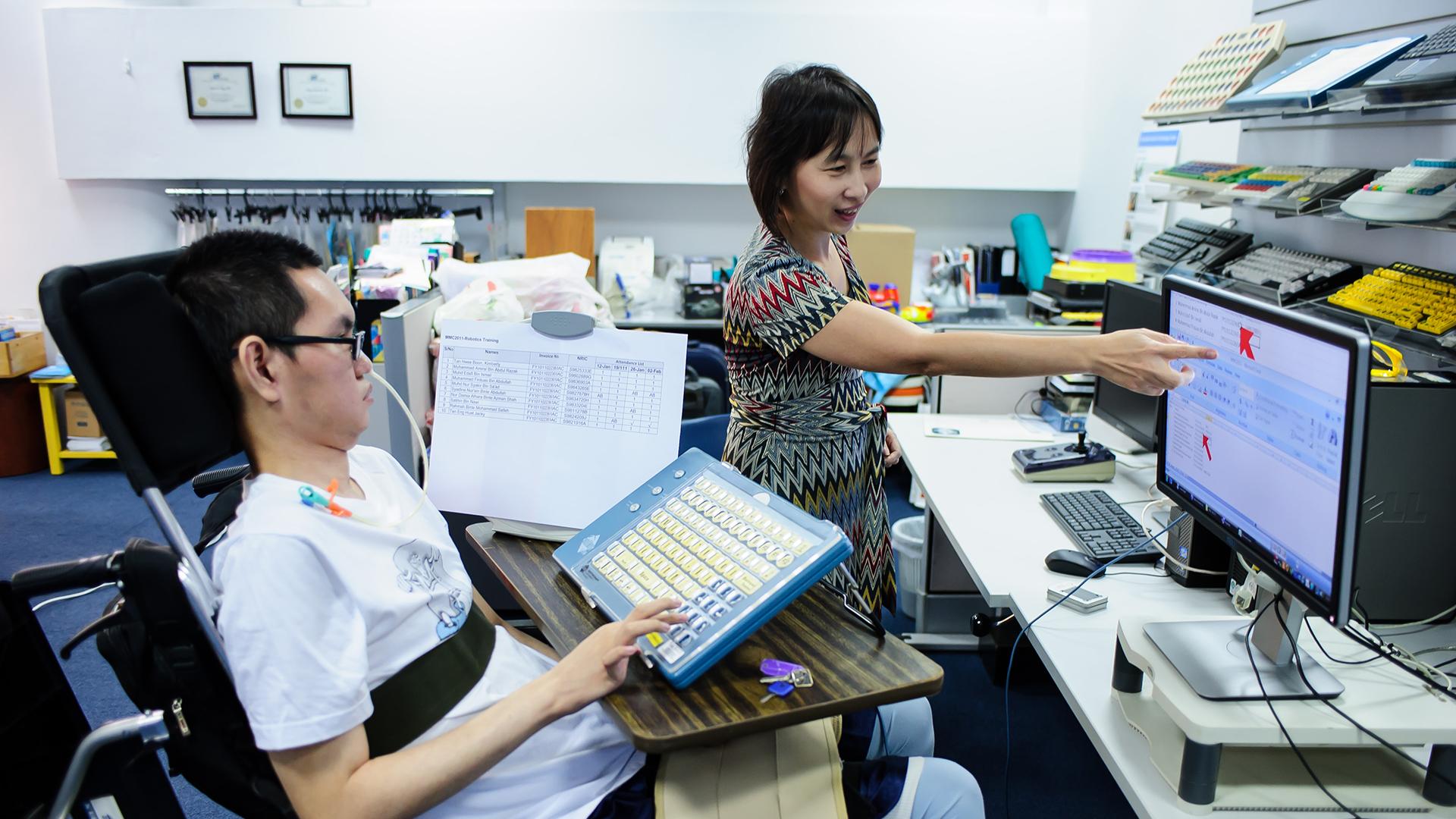
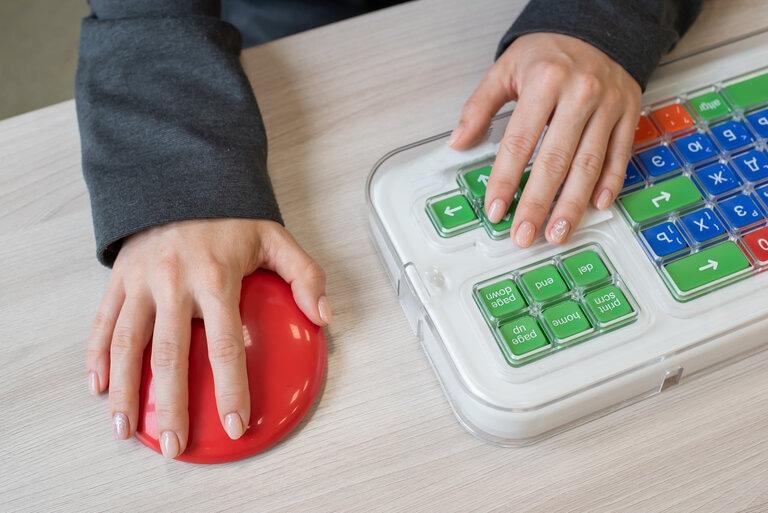
Yardımcı teknoloji seçerken ilk ve en kritik adım, kendi ihtiyaçlarınızı ya da destek olduğunuz kişinin ihtiyaçlarını derinlemesine anlamaktır. Yardımcı teknoloji; hareket kabiliyetinden iletişime, günlük yaşam aktivitelerinden öğrenmeye kadar çok geniş bir yelpazede çözüm sunar. Bu nedenle kişinin güçlü yönlerini, sınırlılıklarını ve somut hedeflerini birlikte değerlendirmek gerekir. Örneğin el hareketleri kısıtlı bir kullanıcı için anahtarla (switch) çalışan bir cihaz uygun olurken, konuşma güçlüğü yaşayan biri için iletişim desteği sunan bir çözüm gerekebilir. Kapsamlı bir ihtiyaç değerlendirmesini — mümkünse bir hekim veya ergoterapist eşliğinde — yapmak, seçilen teknolojinin gerçekten işe yaramasını sağlar.
Özellikleri Karşılaştırın
Piyasadaki ürün çeşitliliği düşünüldüğünde, bilinçli bir karar için özellikleri karşılaştırmak şart. Cihazı sınırlı el becerisi veya bilişsel güçlüğü olan biri kullanacaksa kullanım kolaylığı öne çıkar. Kişiselleştirilebilirlik de önemlidir: cihaz, kullanıcının değişen ihtiyaçlarına göre ayarlanabiliyor mu? Yardımcı cihazlar çoğunlukla her gün kullanıldığından dayanıklılık kritik bir ölçüttür. Ayrıca uyumluluğu değerlendirin — cihaz, kullanıcının hâlihazırda kullandığı yazılım ve araçlarla sorunsuz çalışıyor mu? Ürün yorumlarını okumak, başka kullanıcılara danışmak ve mümkünse cihazı deneme programlarıyla test etmek karşılaştırmayı çok daha sağlıklı kılar.
Kararı Verirken
İhtiyacınızı tanımlayıp özellikleri karşılaştırdıktan sonra sıra karara gelir. Bu aşamada her cihazın faydasını hem satın alma bedeli hem de uzun vadeli bakım maliyeti ile birlikte tartın. Cihazın yeterli destek ve eğitim kaynağıyla gelip gelmediğini kontrol edin; kullanıcının teknolojiden tam verim alabilmesi büyük ölçüde buna bağlıdır. Satın alımınızı geleceğe hazırlamayı da düşünün: kullanıcının ihtiyaçları değiştiğinde cihaz hâlâ işe yarayacak mı, yükseltilebilir veya uyarlanabilir mi? Uzman görüşleri ve kullanıcı deneyimleri dâhil olabildiğince çok bilgi toplamak, yalnızca bugünün değil uzun vadeli hedeflerin de karşılandığı bir karar vermenizi sağlar.