Yardımcı Teknoloji Hayatları Nasıl Değiştiriyor
İnovasyonun kazandırdığı bağımsızlık, gerçek hayattan uygulamalar ve alanı şekillendiren gelecek eğilimleri.
İnovasyonla Gelen Güçlenme
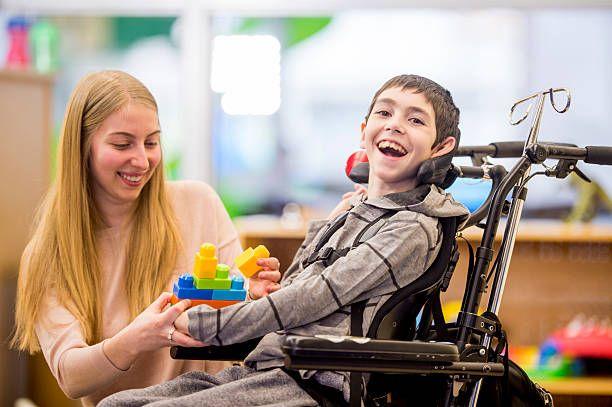
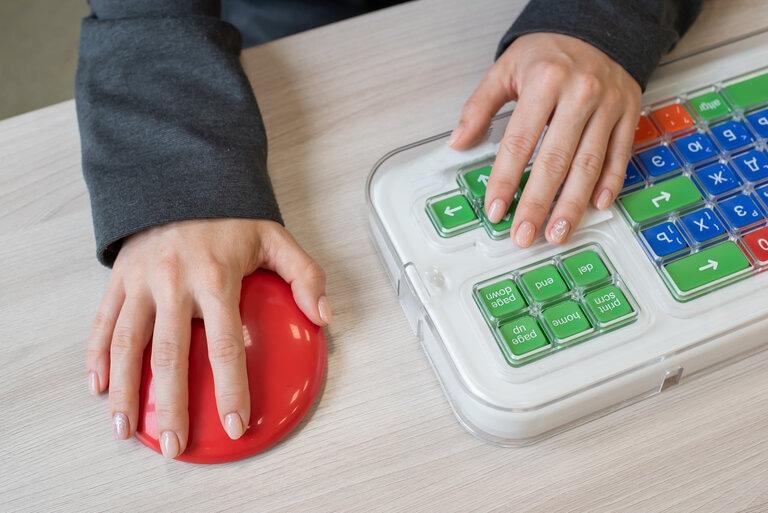
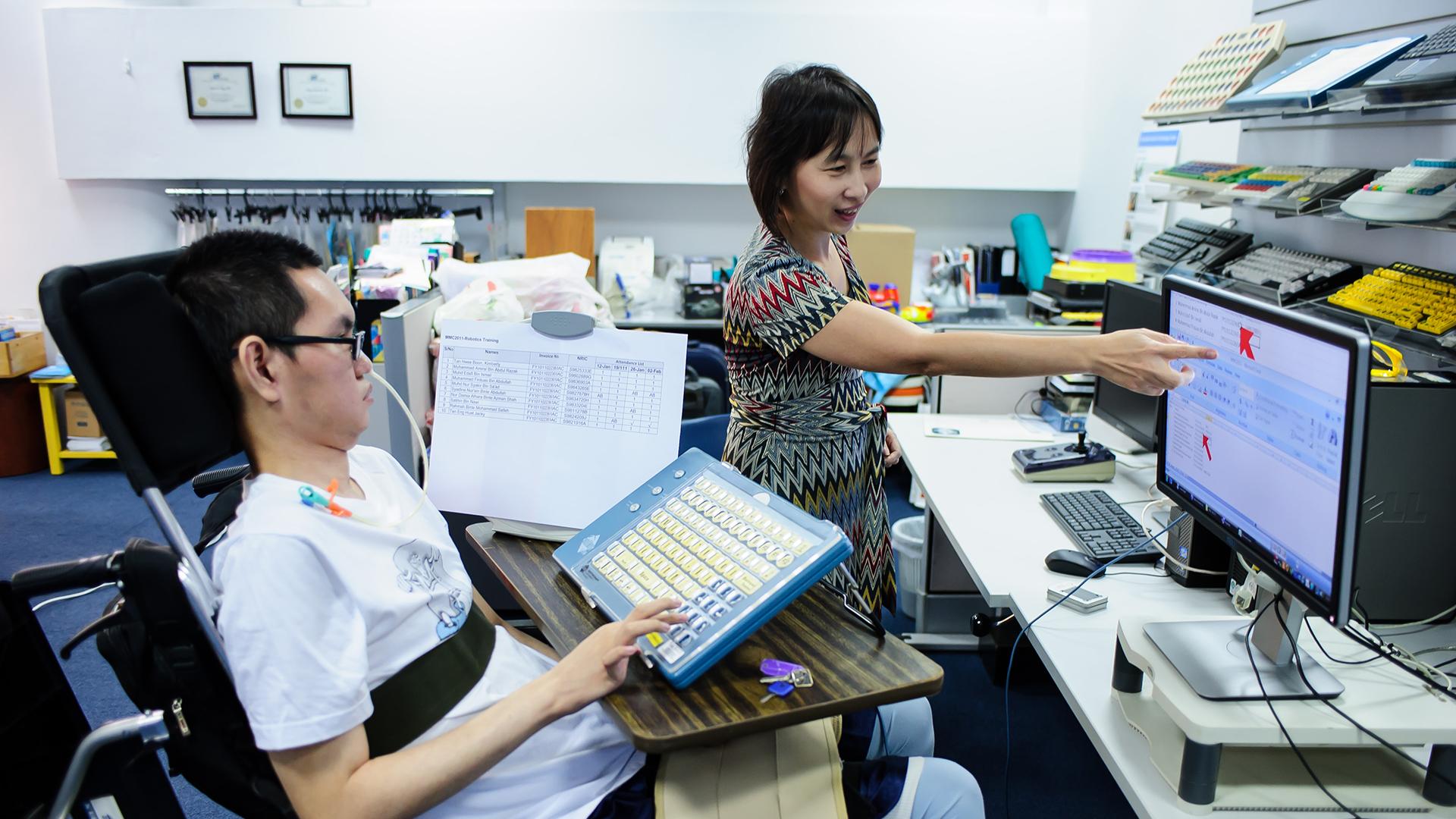
Yardımcı teknoloji, engelli bireylere daha bağımsız yaşamaları ve topluma daha tam katılmaları için gereken araçları sunarak hayatları dönüştürme gücüne sahiptir. Bu alandaki yenilikler sürekli gelişiyor ve çok çeşitli ihtiyaçlara yanıt veren yeni çözümler ortaya çıkıyor. Örneğin gelişmiş iletişim cihazları, konuşamayan bireylerin kendilerini daha kolay ve daha nüanslı ifade etmesini sağlayarak çevrelerindeki insanlarla daha derin bağlar kurmalarına imkân tanıyor. Benzer şekilde akülü tekerlekli sandalyeler ve exoskeletonlar gibi hareket destekleri, fiziksel engelli bireylerin çevrelerinde daha özgür hareket etmesini mümkün kılıyor. Bu teknolojiler yalnızca yaşam kalitesini yükseltmekle kalmıyor; öz saygıyı ve güçlenme duygusunu besleyerek kişilerin hedeflerinin peşinden daha kararlı biçimde gitmesini sağlıyor.
Gerçek Hayattan Uygulamalar
Yardımcı teknolojinin gerçek etkisi, bu cihazlar sayesinde bağımsızlığını yeniden kazanan ve önemli eşikleri aşan sayısız insanın hikâyesinde görülebiliyor. Özel bir yazılım sayesinde derslerinde başarılı olan ve yükseköğrenime devam edebilen öğrenme güçlüğü olan bir öğrenciyi düşünün. Ya da işitme cihazı sayesinde sevdikleriyle yeniden sohbet edebilen, sosyal etkinliklere katılabilen bir yaşlı bireyi. Bu örnekler, yardımcı teknolojinin engel ile yeti arasındaki mesafeyi nasıl kapattığını ve insanların daha dolu, daha bağlı bir hayat sürmesini nasıl mümkün kıldığını gösteriyor. Eğitimde, istihdamda ya da gündelik yaşamda, yardımcı teknoloji engelli bireylerin dünyayı deneyimleme biçiminde köklü bir fark yaratıyor.
Gelecek Eğilimleri
Yardımcı teknolojinin geleceği umut verici; ortaya çıkan eğilimler bu araçların günlük hayata daha da fazla entegre olacağına işaret ediyor. Yapay zekâ giderek daha belirleyici bir rol oynuyor ve daha kişiselleştirilmiş, daha duyarlı cihazlar mümkün hâle geliyor. Örneğin yapay zekâ destekli iletişim araçları kullanıcının konuşma örüntülerini ve tercihlerini öğrenerek etkileşimi akıcılaştırabiliyor. Robotik bir diğer heyecan verici alan: protez ve exoskeleton teknolojilerindeki ilerlemeler hareket ve fiziksel rehabilitasyon için yeni olanaklar sunuyor. Giyilebilir teknoloji de hız kazanıyor ve sağlık takibi ile iletişimi kolaylaştıran, göze batmayan çözümler sağlıyor. Bu teknolojiler geliştikçe daha yüksek erişilebilirlik, daha fazla kişiselleştirme ve daha kolay kullanım vaat ediyor.