Yardımcı Teknolojiyi Günlük Hayata Entegre Etmek
Ev ve iş yeri düzenlemeleri, eğitim ve destek süreçleri ile düzenli kullanımın uzun vadeli kazanımları.
Ev ve İş Yeri Düzenlemeleri
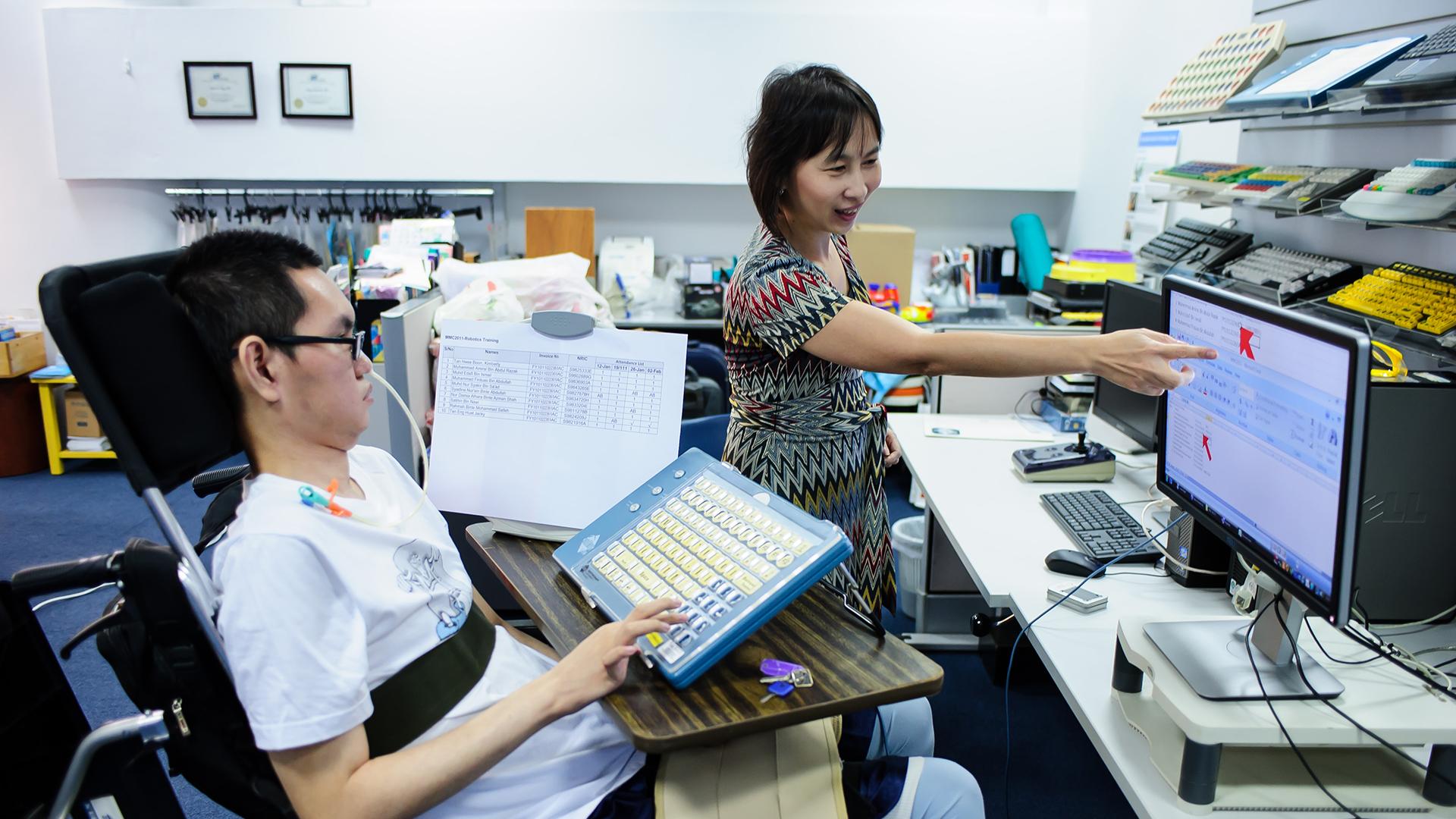
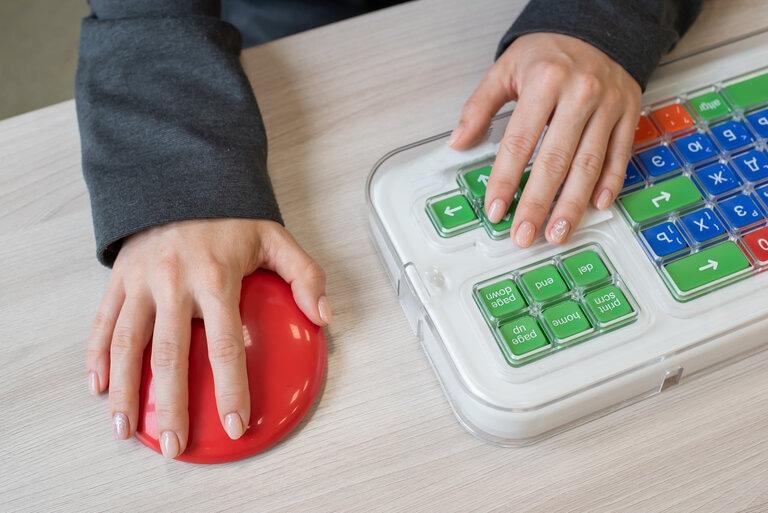
Yardımcı teknolojiyi günlük hayata entegre etmek, hem ev hem de iş yeri ortamında düşünülmüş düzenlemeler yapmayı gerektirir. Evde rampa veya tutunma barı gibi basit değişiklikler, hareket güçlüğü yaşayan bireyler için erişilebilirlikte belirgin bir fark yaratabilir. İş yerinde kapsayıcı bir ortam kurmak; ergonomik çalışma istasyonları hazırlamayı, görme engelli çalışanlar için ekran okuyucu sağlamayı veya konuşma güçlüğü olanlar için iletişim desteği sunmayı içerebilir. Bu düzenlemeler yalnızca mekânları erişilebilir kılmakla kalmaz; bağımsızlığı ve kapsayıcılığı da destekler. Yardımcı teknolojinin günlük rutinlere sorunsuz biçimde yerleşmesi, bireylerin özerkliklerini korumasını ve hem kişisel hem profesyonel hayata daha tam katılmasını sağlar.
Eğitim ve Destek
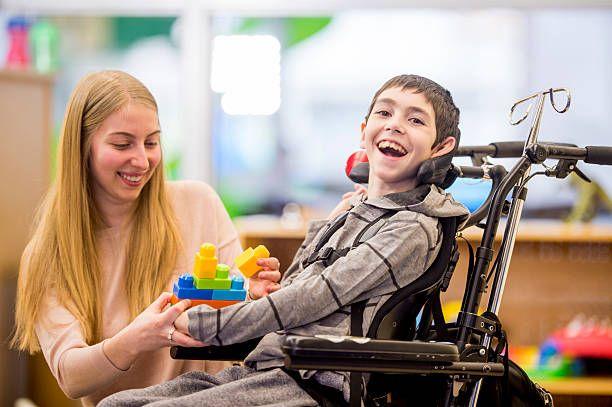
Yardımcı teknolojinin başarılı kullanımı yalnızca cihazın kalitesine değil, kullanıcıya sağlanan eğitim ve desteğe de bağlıdır. Kapsamlı bir eğitim, bireylerin cihazlarını etkin biçimde çalıştırmasını ve faydayı en üst düzeye çıkarmasını sağlar. Bu eğitim uygulamalı anlatımı, video kılavuzları veya ergoterapist gibi profesyonellerden alınan desteği içerebilir. Sürekli destek de en az bunun kadar önemlidir; kullanıcıların sorunları çözmesine, yeni özelliklere uyum sağlamasına ve güncellemelerden haberdar olmasına yardımcı olur. Destek üreticiden, sağlık profesyonellerinden veya akran destek gruplarından gelebilir. Kullanıcıların bu kaynaklara erişebilmesini sağlamak, teknolojinin hayatlarına gerçekten yerleşmesi için kritik önemdedir.
Uzun Vadeli Kazanımlar
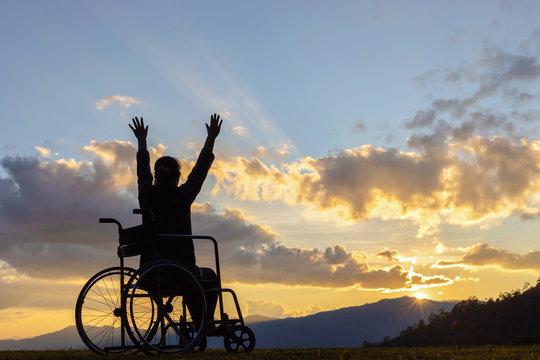
Yardımcı teknolojinin uzun vadeli kazanımları geniş ve çok yönlüdür; hayatın her alanına dokunur. Bu cihazların düzenli kullanımı bağımsızlıkta, öz güvende ve yaşam kalitesinde belirgin iyileşmeler getirebilir. Örneğin iletişim cihazı kullanan bir kişi kendini daha tam ifade edebildiğini fark eder; bu da daha güçlü ilişkilere ve sosyal hayata daha fazla katılıma yol açar. Benzer şekilde bir hareket desteği kullanan biri çevresini keşfetme, seyahat etme ve fiziksel aktivitelere katılma özgürlüğünün arttığını deneyimler. Zamanla bu kazanımlar birikir; daha iyi ruh ve beden sağlığı, eğitim ve istihdamda daha fazla fırsat ve genel olarak daha yüksek bir iyilik hâli ortaya çıkar.